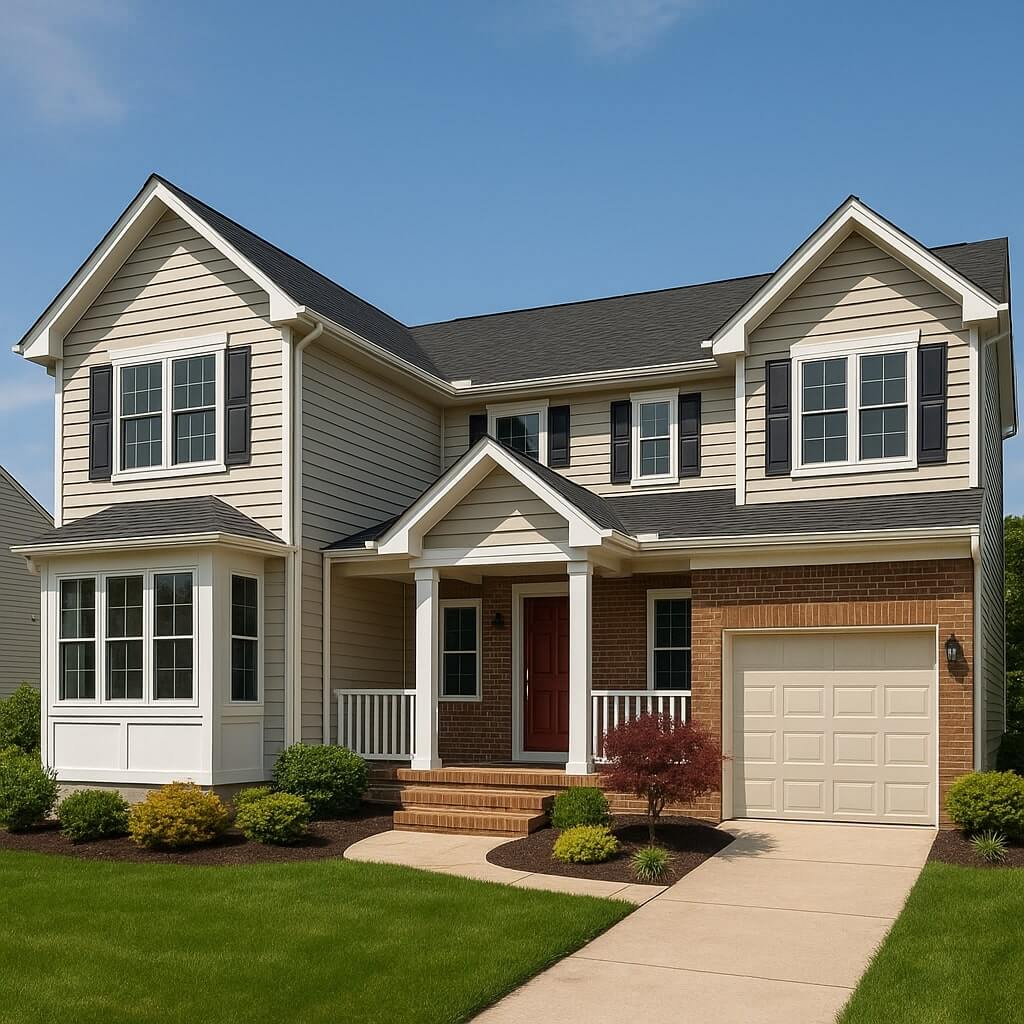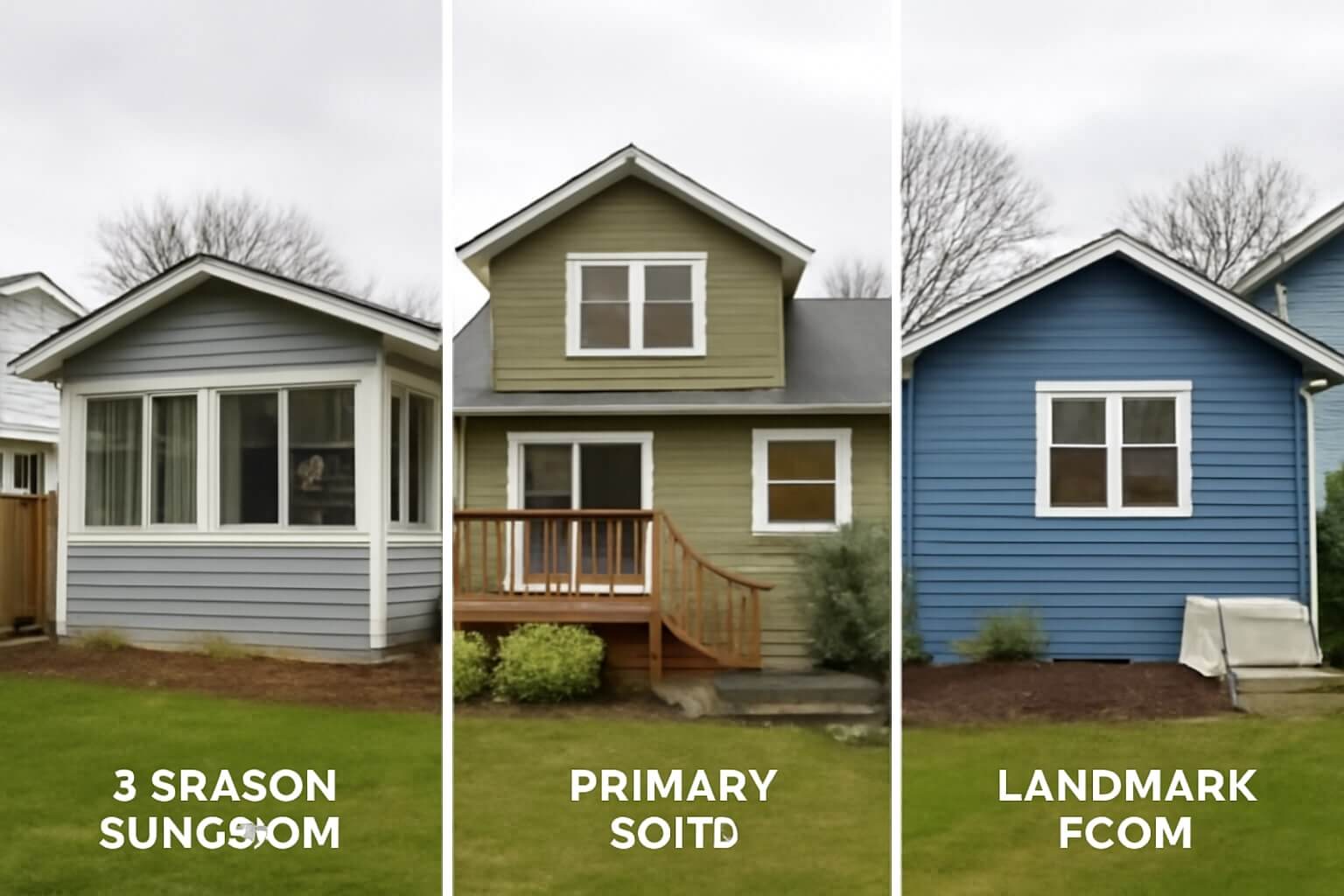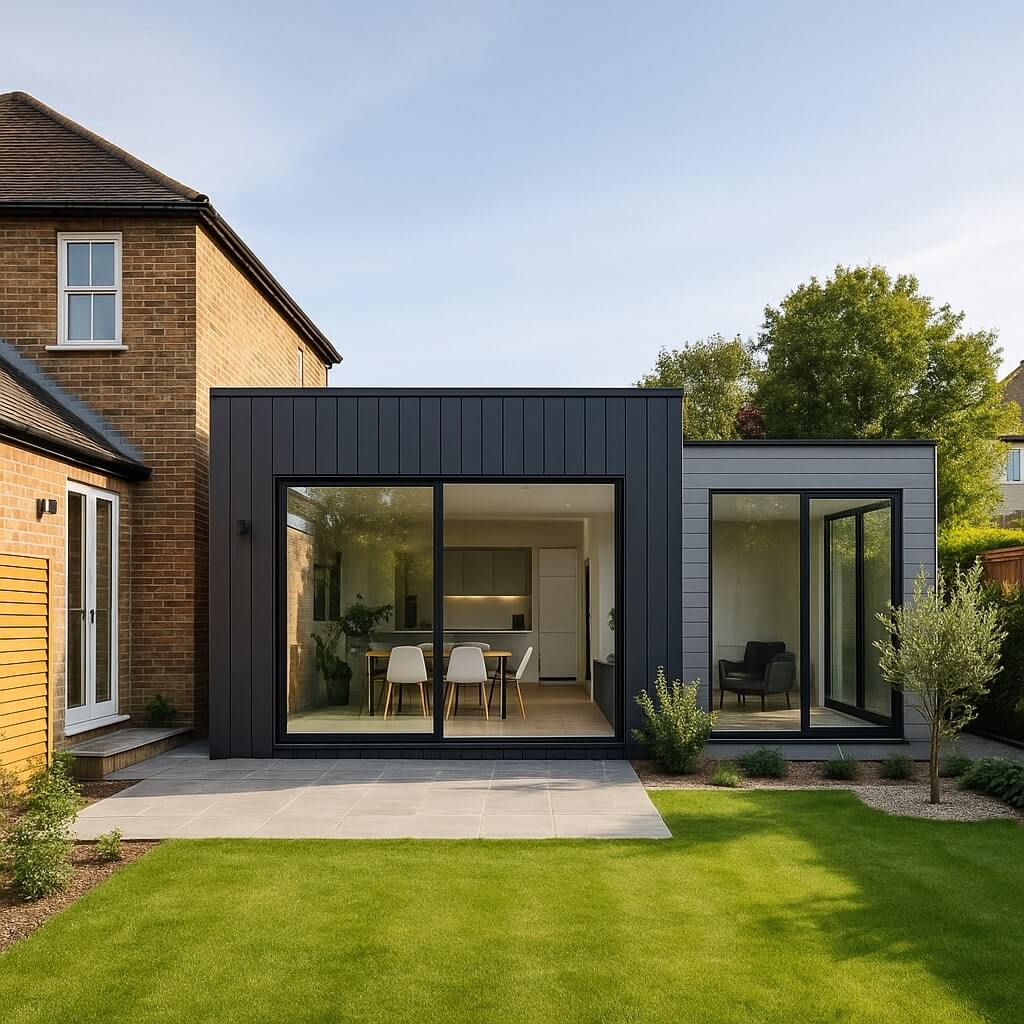
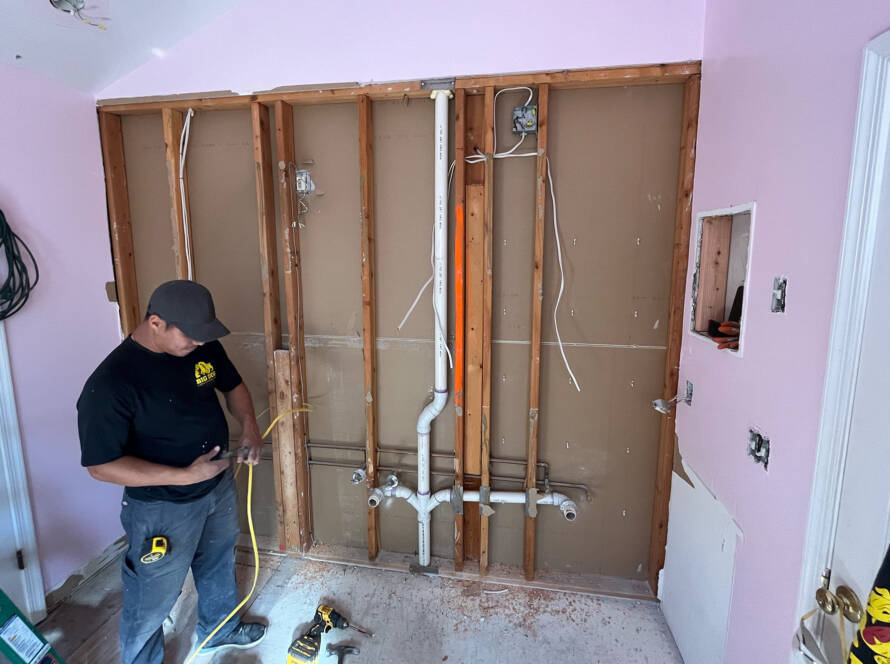
When planning a whole home addition, it’s essential to approach the process systematically. You’ll need to define your goals, set a realistic budget, and understand local building codes. Each of these steps is vital in ensuring your project runs smoothly. Furthermore, selecting the right contractor can make all the difference in achieving your vision. Let’s explore these essential tips to guide you through a successful addition.
Key Takeaways
- Clearly define your goals and priorities to align the addition with the long-term vision for your home.
- Set a realistic budget, including all potential costs and a buffer for unexpected expenses.
- Research local building codes and permits to ensure compliance and avoid delays in your project.
- Choose a qualified contractor with a solid track record and maintain open communication throughout the process.
- Establish a project management plan, including milestones and regular updates, to keep the project on track and within budget.
Define Your Goals and Priorities
When planning a whole home addition, it’s crucial to define your goals and priorities upfront.
Start with goal setting; think about what you want to achieve—more space, improved functionality, or increased value.
Next, conduct a priority assessment. Identify which aspects of the addition are most important to you. Is it the layout, energy efficiency, or style?
Clearly outlining these objectives helps streamline the design process and guarantees you make informed decisions.
Set a Realistic Budget
Setting a realistic budget is essential for ensuring your whole home addition goes smoothly and stays within financial limits.
Start by creating a budget breakdown that includes all potential costs.
Here are three cost saving strategies to take into account:
- Prioritize essential features: Focus on what you truly need versus what you want.
- Source materials wisely: Shop around for the best deals and consider using recycled or salvaged materials.
- Hire local contractors: They often understand regional pricing and can help you avoid costly mistakes.
Research Local Building Codes and Permits
Before you start your whole home addition, it’s vital to understand the local building codes and zoning regulations that apply to your project.
Familiarizing yourself with the permit application process will save you time and potential headaches down the line.
Additionally, ensuring your plans meet safety compliance standards is essential for protecting both your investment and the well-being of your family.
Understand Zoning Regulations
Although planning a whole home addition can be exciting, understanding zoning regulations is essential to guarantee your project runs smoothly.
Familiarizing yourself with local zoning classifications can save you time and money. Here are three key aspects to contemplate:
- Zoning Classifications: Identify the zoning classification of your property to determine allowable uses and structures.
- Property Setbacks: Learn about required property setbacks to ascertain your addition complies with local regulations.
- Height Restrictions: Check if there are any height restrictions that could affect your design.
Permit Application Process
Steering through the permit application process is an essential step in planning your whole home addition.
Start by researching local building codes to understand the specific permit types you’ll need, which can vary based on your project’s scope. Common permits include building, electrical, and plumbing.
Next, familiarize yourself with the application timeline; this can range from weeks to months, depending on your municipality.
Prepare all necessary documentation, including plans and site surveys, to streamline the process. Staying organized won’t only help you meet deadlines but also guarantee compliance with local regulations, paving the way for a successful addition.
Safety Compliance Standards
Once you’ve navigated the permit application process, understanding safety compliance standards becomes your next priority.
Ensuring your addition meets local building codes is essential for your safety and peace of mind. Here’s what you need to focus on:
- Safety Inspections: Schedule regular inspections during the construction process to catch any issues early.
- Compliance Documentation: Keep all records of inspections and approvals organized for easy reference.
- Local Codes: Stay updated on your area’s specific regulations, as they can vary considerably.
Choose the Right Contractor
Choosing the right contractor is essential for the success of your whole home addition project.
Start by verifying contractor qualifications, such as licenses, insurance, and experience in similar projects. Don’t hesitate to ask for references or examples of past work.
Effective contractor communication is equally important; your contractor should be approachable and willing to discuss ideas or concerns. Look for someone who listens to your vision while providing valuable insights.
Arrange initial meetings to gauge their professionalism and responsiveness. A strong partnership with your contractor sets the foundation for a smooth, successful addition to your home.
Plan for Disruption and Temporary Living Arrangements
As your home undergoes significant changes, it’s essential to prepare for the inevitable disruption that comes with a whole home addition.
Here are some effective disruption management strategies to contemplate:
- Identify Temporary Housing Options: Explore local rentals or stay with family to minimize stress during construction.
- Establish a Construction Schedule: Coordinate with your contractor to understand key phases and timelines.
- Designate a Living Space: Create a designated area in your home that remains untouched to provide a sense of normalcy.
Consider Design and Aesthetic Integration
When planning your home addition, it’s essential to take into account how the new space will blend with your existing architecture.
Matching architectural styles, selecting complementary materials, and ensuring a cohesive color palette can create a harmonious look throughout your home.
Match Architectural Styles
To guarantee your home addition seamlessly blends with your existing structure, it’s crucial to match architectural styles, as this fosters a cohesive aesthetic.
Achieving architectural harmony and style consistency is key. Here are three ways to make certain this:
- Analyze Existing Elements: Study your home’s rooflines, window styles, and materials.
- Consult with Professionals: Engage architects or designers who understand your home’s architecture.
- Choose Similar Features: Select details like trim, eaves, and color palettes that echo your home’s original design.
Choose Complementary Materials
Matching architectural styles sets a strong foundation for your home addition, but choosing complementary materials takes your project a step further in achieving a harmonious look.
Prioritize material durability to guarantee your addition withstands the test of time. Look for materials that echo your existing home while also offering texture contrast; for instance, pairing smooth siding with rustic stone can create visual interest.
Consider how different materials interact under various lighting conditions. This thoughtful approach not only enhances aesthetic integration but also elevates your home’s overall appeal, making it a cohesive and inviting space for years to come.
Ensure Cohesive Color Palette
While a well-chosen color palette can greatly enhance your home’s aesthetic, ensuring cohesion between your existing structure and the addition is essential.
To achieve this, consider these tips based on color theory and color harmony:
- Analyze Existing Colors: Identify the dominant hues in your current space, ensuring your addition complements them.
- Select a Unified Palette: Choose 2-3 colors that tie both areas together, creating a seamless connection.
- Incorporate Textures: Use similar materials and finishes in both old and new sections to reinforce cohesion.
Prepare for the Unexpected
Even when you meticulously plan your home addition, unexpected challenges can arise, so it’s crucial to prepare for them.
Start by identifying potential issues, like weather delays or budget overruns. Create emergency plans to address these situations, such as a financial buffer for unforeseen expenses.
Identify potential issues like weather delays and budget overruns, and establish emergency plans with a financial buffer for unexpected expenses.
Communicate regularly with your contractors to stay updated on progress and any complications. Consider setting milestones to evaluate the project’s status and adjust as needed.
Finally, remain flexible and open to changes; adaptability can help you navigate these unexpected challenges more smoothly, ensuring your home addition stays on track.
Conclusion
In summary, planning a whole home addition requires careful thought and proactive steps. By defining your goals, setting a realistic budget, and researching local codes, you’re laying a solid foundation for your project. Choosing the right contractor and preparing for disruptions guarantees a smoother process. Don’t forget to reflect on design elements that blend with your existing home. Stay flexible for unexpected costs, and you’ll create a successful addition that enhances your living space for years to come.