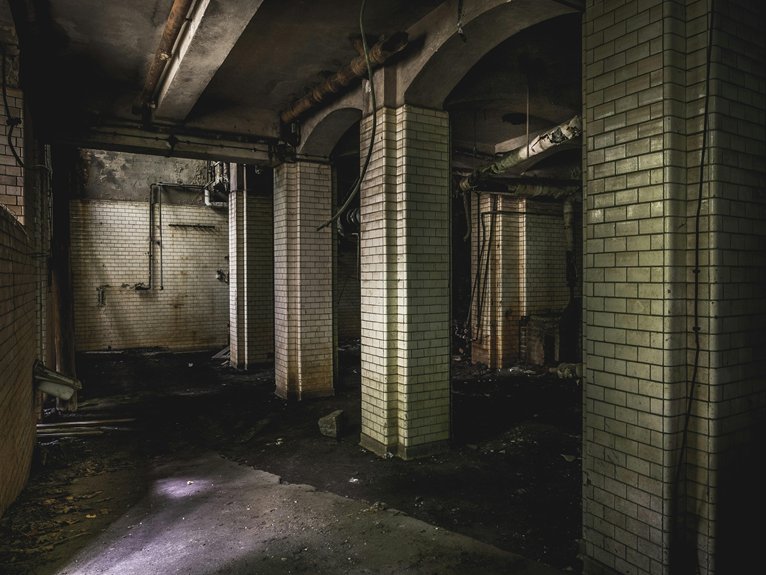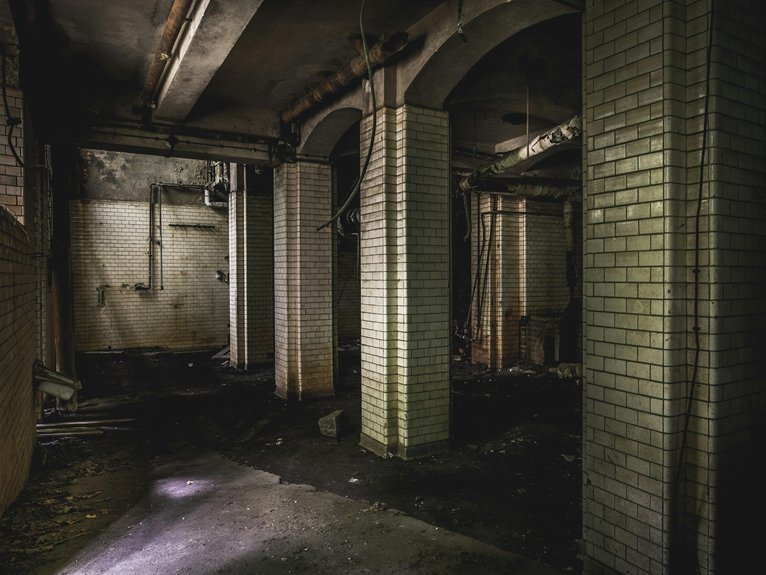
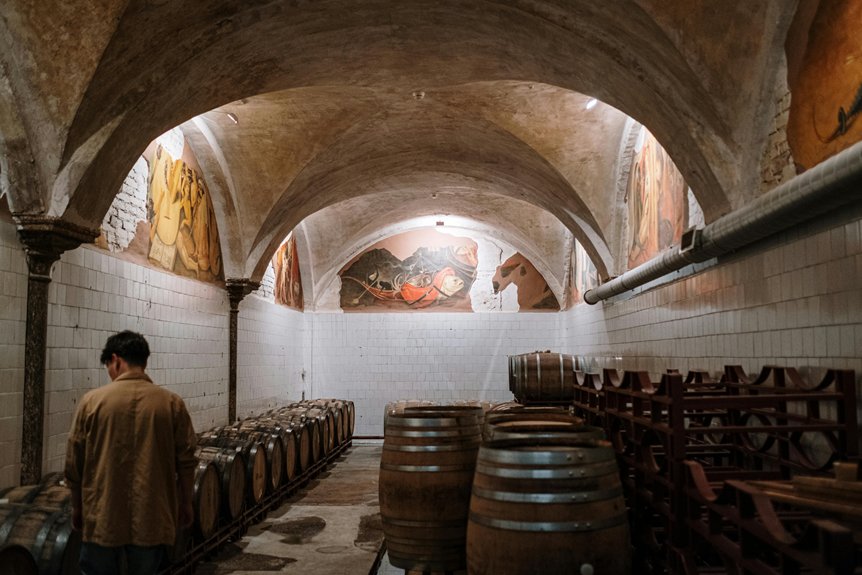
When choosing basement waterproof paint, you need to take into account several critical factors to guarantee effective protection. Start by evaluating the moisture levels in your basement, as high humidity can impact paint performance. Next, examine the surface condition and whether a primer is necessary. Don’t overlook the durability of the paint type, as some offer better flexibility and resistance. Understanding these aspects will guide your decision, but there’s more to explore regarding application methods and overall value.
Key Takeaways
- Assess moisture levels with a hygrometer to determine the appropriate paint type for your basement conditions.
- Choose between acrylic for flexibility or epoxy for a robust moisture barrier based on humidity levels.
- Ensure thorough surface preparation by cleaning, sealing cracks, and allowing surfaces to dry completely before painting.
- Consider the durability of the paint; opt for high-quality options that resist peeling and cracking over time.
- Factor in application methods and costs; premium paints may reduce the number of required coats and long-term maintenance expenses.
Understanding Different Types of Basement Waterproof Paint
When it comes to selecting the right basement waterproof paint, how do you know which type fits your needs?
Acrylic paints are popular for their ease of application and quick drying times. They’re flexible, allowing them to expand and contract with temperature changes without cracking.
Acrylic paints offer easy application and quick drying, flexibly adapting to temperature changes without cracking.
On the other hand, epoxy coatings provide a more robust barrier against moisture, making them ideal for high-humidity areas. They adhere well to concrete and can withstand heavy wear.
Consider the specific conditions of your basement to choose the best option—whether you need the convenience of acrylic or the durability of epoxy.
Assessing the Level of Moisture in Your Basement
How can you accurately assess the level of moisture in your basement?
Start with a thorough moisture assessment to gauge humidity levels. Here are three practical steps to get you started:
- Use a Hygrometer: Measure the humidity levels; ideally, they should be below 60%.
- Check for Condensation: Look for water droplets on walls or windows, indicating excess moisture.
- Inspect for Water Stains: Notice any discoloration or mold, which signals previous moisture problems.
Evaluating Surface Preparation Requirements
After evaluating the moisture levels in your basement, the next step is to assess the surface preparation requirements for applying waterproof paint. Proper surface cleaning is essential for guaranteeing adhesion and effectiveness. Start by removing any dirt, dust, and mildew. If you notice cracks, you’ll need crack sealing to prevent water seepage. Here’s a quick guide:
| Step | Description | Importance |
|---|---|---|
| Surface Cleaning | Remove dirt and mildew | Guarantees proper adhesion |
| Crack Sealing | Fill any visible cracks | Prevents water infiltration |
| Drying Time | Allow surfaces to dry fully | Guarantees paint adherence |
| Primer Application | Apply primer if necessary | Enhances waterproofing effect |
Analyzing the Durability and Longevity of the Paint
When choosing basement waterproof paint, you need to take into account the material composition, as it directly affects durability.
Weather resistance is also essential, especially in areas prone to moisture and temperature fluctuations.
Finally, understanding the expected lifespan and maintenance requirements will help you make a more informed decision.
Material Composition Impact
Understanding the material composition of basement waterproof paint is essential for ensuring its durability and longevity.
Different material types and their unique chemical properties greatly impact how well the paint performs over time.
Consider the following:
- Acrylic Resins – Known for flexibility and resistance to cracking.
- Elastomeric Coatings – Offer superior stretchability, ideal for fluctuating temperatures.
- Epoxy-Based Paints – Provide a hard, durable finish that resists moisture.
Choosing the right combination of these materials can enhance the effectiveness of your waterproofing efforts, ensuring your basement stays protected against water damage for years to come.
Weather Resistance Importance
While many factors contribute to the effectiveness of basement waterproof paint, its weather resistance plays a crucial role in determining durability and longevity. When choosing paint, consider its ability to withstand various weather conditions, ensuring it adapts to your climate. This adaptability provides long-lasting protection against moisture, mold, and mildew.
| Weather Resistance Benefits | Climate Adaptability |
|---|---|
| Prevents water damage | Suitable for diverse climates |
| Reduces mold growth | Resists temperature fluctuations |
| Increases paint lifespan | Protects against UV exposure |
Investing in high-quality, weather-resistant paint can save you time and money in the long run.
Lifespan and Maintenance Needs
Choosing the right basement waterproof paint not only involves considering its immediate protective qualities but also its lifespan and ongoing maintenance needs.
A durable paint enhances basement longevity, ensuring you won’t need frequent touch-ups. Here’s what to keep in mind:
- Durability: Look for products that can withstand moisture and temperature changes for years.
- Maintenance Frequency: Some paints require yearly inspections, while others may last a decade or more before needing reapplication.
- Easy Cleaning: Opt for paints that resist mold and mildew, making maintenance easier.
Select wisely, and you’ll protect your space effectively for years to come.
Considering Application Methods and Ease of Use
When choosing basement waterproof paint, consider how you’ll apply it and the preparation required for ideal results.
Different application techniques, such as brushing, rolling, or spraying, can affect the finish and coverage, so pick one that suits your skill level.
Additionally, proper surface preparation is essential; clean and repair any damage to guarantee the paint adheres well and performs effectively.
Application Techniques Overview
Applying basement waterproof paint requires careful consideration of the methods and tools you’ll use.
The right application methods can make all the difference in achieving a long-lasting seal. Here are three effective surface techniques:
- Roller Application: Ideal for large areas, providing even coverage and efficiency.
- Brush Application: Perfect for corners and tight spots, ensuring you don’t miss any areas.
- Sprayer Application: Fast and effective for extensive surfaces, but requires careful masking to avoid overspray.
Choosing the right technique not only eases the application process but also enhances the effectiveness of the waterproof paint.
Surface Preparation Importance
Although you might be enthusiastic to start painting, proper surface preparation is essential for guaranteeing the effectiveness of basement waterproof paint.
Begin with thorough surface cleaning to remove dirt, mold, and any loose debris. This step prevents future peeling and guarantees better adhesion.
Next, consider your primer selection carefully; using a compatible primer will enhance the paint’s performance. Choose a product designed for damp environments to maximize waterproofing.
Remember, taking the time to prepare your surfaces adequately will lead to a smoother application and longer-lasting results.
Don’t rush—your basement will thank you for the extra effort!
Budgeting for Quality: Cost vs. Value
Investing in quality basement waterproof paint can save you money and headaches down the line, as choosing the cheapest option often leads to more frequent repairs and reapplications.
To guarantee cost effectiveness and quality assurance, consider these factors:
- Durability: High-quality paints resist peeling and cracking, lasting longer.
- Coverage: Premium paints often require fewer coats, reducing material costs.
- Mold Resistance: Quality options prevent moisture-related issues, saving on future repairs.
Conclusion
When choosing basement waterproof paint, remember to assess your specific needs and conditions. Consider the moisture levels, surface preparation, and the durability of various paint types. Opt for a product that suits your basement’s unique environment and application method. While budgeting, focus on quality over cost to guarantee long-lasting protection. By taking these factors into account, you’ll make an informed choice that keeps your basement dry and protected for years to come.