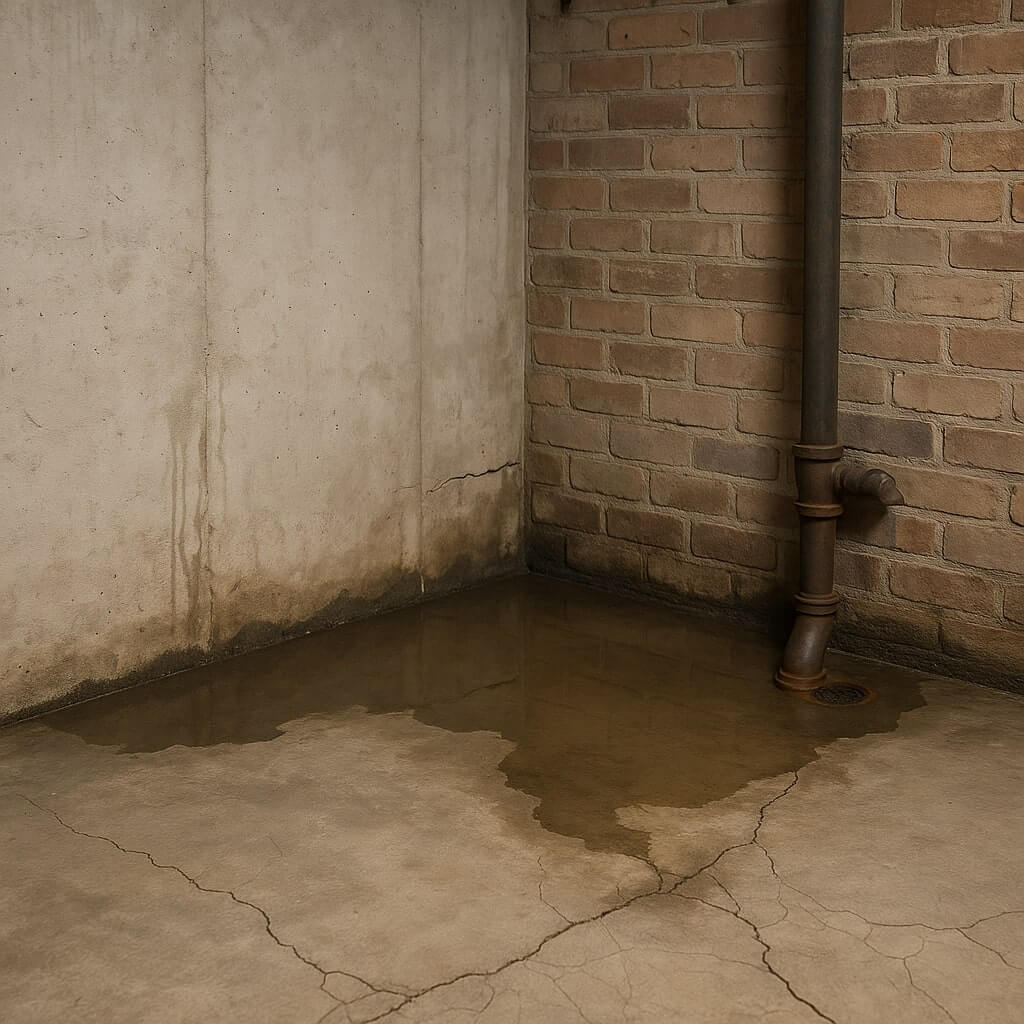

When it comes to protecting your home from water damage, understanding waterproofing methods is essential. Each option, from exterior membranes to interior sealants, comes with its own average costs and benefits. Whether you’re dealing with a damp basement or simply want to prevent future issues, knowing your choices can save you money and headaches. Let’s explore these methods and help you decide the best approach for your needs.
Key Takeaways
- Exterior Waterproofing Membrane: Liquid and sheet membranes provide robust foundation protection, enhancing home value; installation costs vary based on specific needs and site conditions.
- Interior Sealants: Options like silicone ($15-$30) and epoxy ($50-$100) effectively prevent water intrusion; proper application ensures lasting protection.
- French Drains: Installation costs range from $1,000 to $5,000; effective for managing water drainage around homes and preventing flooding.
- Sump Pumps: Ranging from $1,000 to $3,000 for installation, sump pumps keep basements dry and require regular maintenance checks costing about $100.
- Crack Repair Costs: Minor crack repairs average $200-$500, while major structural fixes can exceed $2,000 depending on the method and extent of damage.
Exterior Waterproofing Membrane
When it comes to protecting your home from water damage, an exterior waterproofing membrane is one of the most effective solutions. This method involves exterior installation, where a barrier is applied to your foundation walls.
There are various membrane types, such as liquid membranes and sheet membranes, each offering unique advantages. Liquid membranes create a seamless barrier, while sheet membranes provide robust protection against hydrostatic pressure.
Choosing the right type depends on your specific needs and the site’s conditions. Investing in an exterior waterproofing membrane not only safeguards your home but also enhances its value and longevity.
Interior Sealants
Interior sealants are a practical solution for preventing water intrusion in your home. You can choose from various interior sealant types, like liquid rubber, polyurethane, and silicone, each offering unique benefits. Effective application techniques include thorough surface cleaning and using caulking guns for precision.
Here’s a quick comparison of sealant options:
| Sealant Type | Average Cost per Gallon |
|---|---|
| Liquid Rubber | $30 – $50 |
| Polyurethane | $40 – $70 |
| Silicone | $15 – $30 |
| Acrylic | $10 – $25 |
| Epoxy | $50 – $100 |
Choose wisely for lasting protection!
French Drains
French drains are a popular solution for managing water drainage around your home.
You’ll need to understand the installation process and consider the associated costs to determine if this method suits your needs.
Let’s explore how these drains work and what you can expect to spend.
Installation Process Overview
Although installing a French drain might seem intimidating, the process can be straightforward with the right approach.
Follow these steps to guarantee effective installation:
- Plan Your Drainage: Evaluate your yard’s slope and decide where to position the drain for ideal water flow.
- Gather Waterproofing Tools: You’ll need a shovel, perforated pipe, gravel, and landscape fabric to complete the job.
- Excavate the Trench: Dig a trench that’s about 6 inches wide and 18-24 inches deep, making sure it slopes away from your foundation.
Cost Considerations
When planning your French drain installation, it’s important to factor in the associated costs to guarantee your project stays within budget.
Start by researching materials, labor, and any additional permits you might need. A typical installation ranges from $1,000 to $5,000, depending on the complexity and size of your drainage system.
For cost efficiency, consider DIY options if you’re handy, but remember to weigh the potential risks.
Effective budget planning will help you avoid unexpected expenses, ensuring that your French drain serves its purpose without overspending.
Ultimately, a well-planned installation can save you money in the long run.
Sump Pumps
When it comes to keeping your basement dry, sump pumps are a reliable solution.
You’ll find various types available, each with different installation and maintenance costs to contemplate.
Understanding these options can help you choose the right system for your needs.
Types of Sump Pumps
There are three main types of sump pumps to evaluate for your waterproofing needs: pedestal pumps, submersible pumps, and battery backup pumps.
Each serves a unique purpose based on your situation.
- Pedestal Pumps: These are easy to access and maintain, standing above the sump pit.
- Submersible Pumps: Designed to operate underwater, they’re quieter and often more efficient, with higher pump capacity.
- Battery Backup Pumps: Essential during power outages, they guarantee continued operation, protecting your home even in emergencies.
Choosing the right type can greatly impact your basement’s waterproofing effectiveness.
Installation and Maintenance Costs
Understanding the installation and maintenance costs of sump pumps is essential for homeowners looking to protect their basements from water damage. Installation techniques can vary, but you can expect to pay between $1,000 and $3,000 for a quality sump pump system. Regular maintenance is vital, with schedules typically recommending inspections every 6 to 12 months, costing around $100 each time.
| Cost Type | Average Cost |
|---|---|
| Installation | $1,000 – $3,000 |
| Maintenance Check | $100 |
| Repairs (if needed) | $200 – $500 |
Stay proactive to avoid higher expenses down the line!
Grading and Drainage Systems
Grading and drainage systems play an essential role in preventing water from pooling around your home’s foundation.
Properly implemented, these drainage solutions protect your property from costly water damage.
Here are three key aspects to reflect on:
- Soil Grading: Adjusting the slope of your yard directs water away from the foundation.
- French Drains: Installing these can effectively channel excess water away from critical areas.
- Downspout Extensions: Adding these guarantees rainwater drains far from your home.
Waterproofing Paint
After ensuring proper grading and drainage around your home, you might want to contemplate additional protective measures, like waterproofing paint.
This type of paint offers significant waterproofing benefits, acting as a barrier against moisture and preventing mold growth.
For effective paint application, start with a clean, dry surface and follow the manufacturer’s instructions. You’ll typically need to apply two coats for maximum protection.
While costs can vary, investing in waterproofing paint can save you money on future repairs and enhance your home’s durability.
With proper application, you’ll create a reliable shield against water damage for years to come.
Cracked Wall Repair
Cracked walls can be a sign of underlying issues, so it’s essential to understand their causes before jumping into repairs.
You’ll want to explore various repair techniques and consider the costs associated with each option. This will help you make informed decisions to restore your walls effectively.
Causes of Cracked Walls
While many homeowners may not immediately notice, cracked walls can signal serious structural issues in a property.
Understanding the causes can help you address them before they worsen. Here are three common culprits:
- Foundation Settling: As soil shifts, it can lead to uneven settling, resulting in cracks.
- Moisture Intrusion: Water seeping into walls can weaken them, causing cracks to form.
- Temperature Changes: Fluctuations in temperature can cause materials to expand and contract, leading to fissures.
Identifying these causes early can save you from costly repairs down the line.
Stay vigilant and proactive!
Repair Techniques Overview
Addressing cracked walls promptly is essential to maintaining your home’s integrity.
You can choose various repair methods, depending on the severity of the cracks. For minor cracks, applying a high-quality sealant or caulk can effectively waterproof the area.
If the damage is more significant, consider epoxy injections to fill and seal the cracks. Additionally, implementing waterproofing strategies, like exterior drainage improvements, can prevent further issues.
Regular inspections and timely repairs guarantee your walls remain strong and your home stays dry.
Cost Considerations Explained
When reflecting on cracked wall repair, it’s crucial to understand the costs involved, as they can vary considerably based on the severity of the damage and the chosen methods.
A thorough cost analysis can help you with budget planning. Here are three factors to contemplate:
- Severity of Cracks: Minor cracks may cost $200-$500 to repair, while major structural issues can exceed $2,000.
- Repair Method: Epoxy injections are generally more affordable than extensive wall rebuilding.
- Labor Costs: Hiring professionals may add $50-$150 per hour, depending on your location.
Knowing these factors guarantees you make informed decisions without overspending.
Vapor Barriers
Vapor barriers are vital in preventing moisture from infiltrating your home, especially in areas like basements and crawl spaces.
When considering vapor barrier materials, options like polyethylene sheeting or foil-faced insulation are popular due to their effectiveness.
For proper vapor barrier installation, make sure you cover the entire area, sealing seams and edges with tape or adhesive for maximum protection.
It’s important to install the barrier on the warm side of insulation in cold climates, as this helps keep moisture out.
Investing in quality materials and installation will safeguard your home against moisture-related damage and improve overall indoor air quality.
Waterproofing Coatings
If you’re looking for a reliable way to protect your home from water damage, waterproofing coatings offer an effective solution.
These coatings come in various waterproofing types and can greatly enhance your home’s durability. Here are three popular options:
- Liquid Rubber: Easy to apply, this coating forms a seamless barrier.
- Acrylic Coatings: These are UV-resistant and ideal for outdoor surfaces.
- Silicone Coatings: Known for their flexibility and long-lasting features.
Understanding application techniques is essential for best results.
Proper surface preparation and layering will guarantee your coatings perform effectively, safeguarding your home from moisture intrusion.
Landscaping for Water Control
While effective waterproofing coatings protect your home from above, landscaping for water control helps manage water flow around your property. Implementing drainage solutions like French drains or swales can redirect excess water away from your foundation. Additionally, proper soil grading guarantees water flows away from your home, reducing the risk of pooling and erosion.
| Landscaping Method | Description |
|---|---|
| French Drains | Trenches with gravel to redirect water |
| Swales | Shallow ditches for water flow management |
| Rain Gardens | Native plants absorb rainwater |
| Retaining Walls | Structure to hold back soil and water |
| Soil Grading | Slope adjustment for peak drainage |
Conclusion
In conclusion, choosing the right waterproofing method can save you time and money in the long run. Whether you opt for an exterior membrane, interior sealants, or a sump pump, understanding the average costs will help you make informed decisions. Don’t forget to take into account factors like crack repairs and drainage systems to protect your home effectively. With the right approach, you can guarantee a dry, safe environment for years to come.