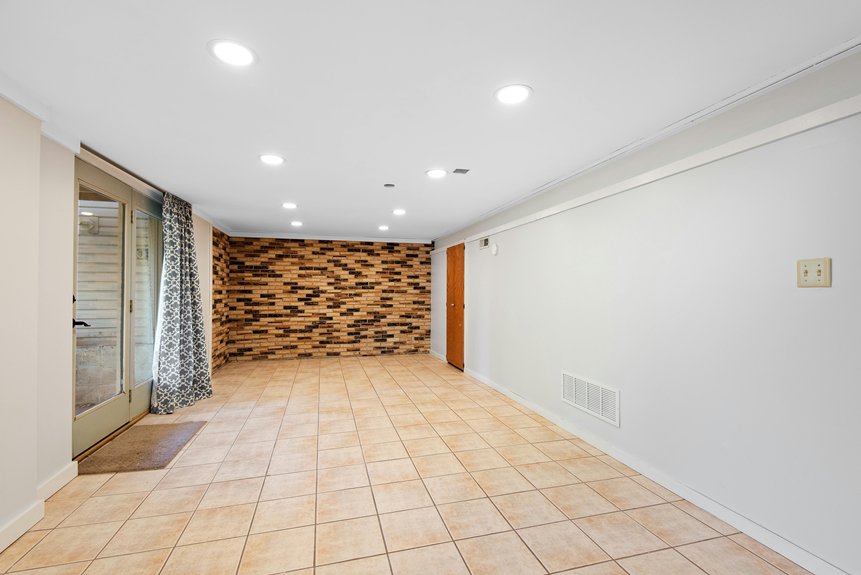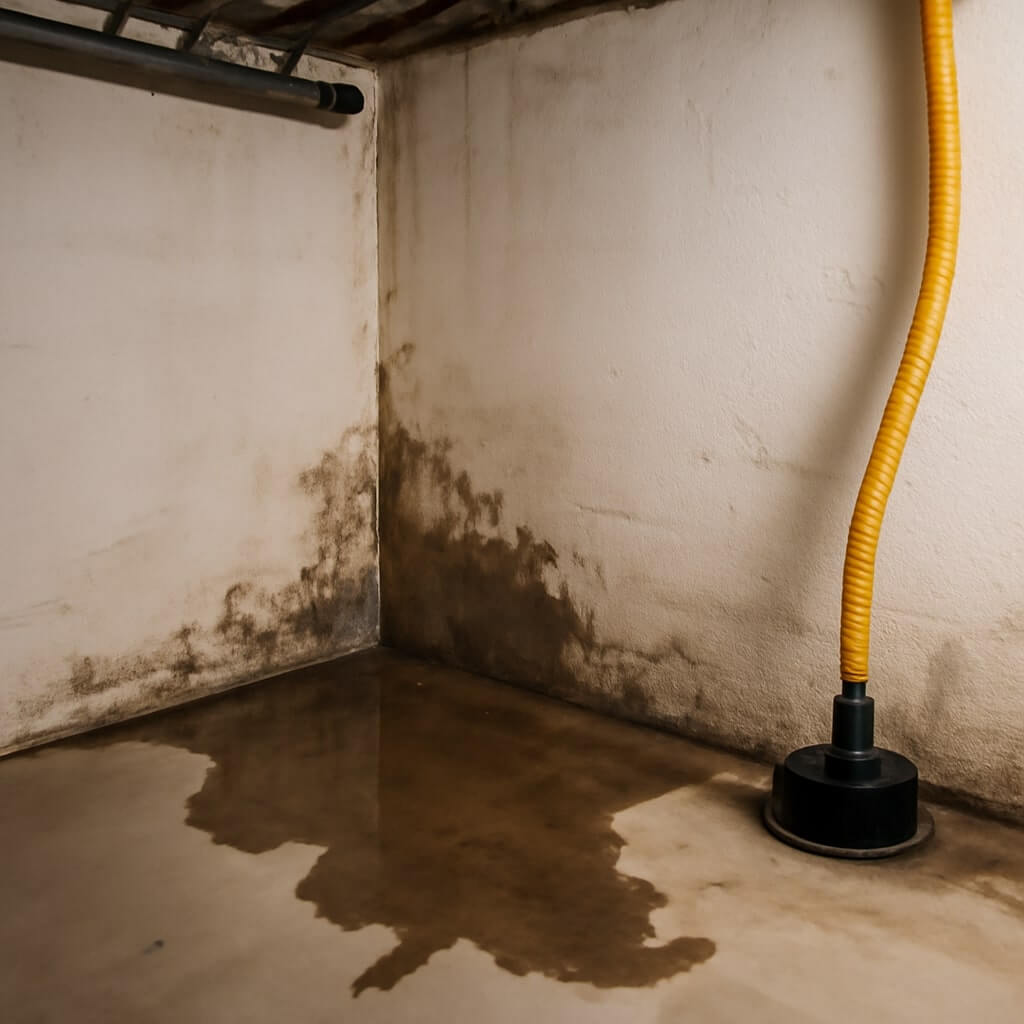

If you’re dealing with a damp basement, you’re not alone. Many homeowners face this issue, but the good news is there are effective solutions. From liquid waterproofing membranes to reliable sump pumps, the right products can protect your space from moisture. Understanding which options suit your needs is essential. Let’s explore the top five interior basement waterproofing products that can help keep your home dry and secure.
Key Takeaways
- Liquid Waterproofing Membrane provides a seamless barrier, adapts to structural movements, and effectively prevents water infiltration in basements.
- Basement Sealant requires clean, dry surfaces and multiple coats for optimal protection against moisture, ensuring a safe environment.
- Interior Drainage System collects and directs water away from the foundation, enhancing moisture management and reducing risks of mold and structural damage.
- Dehumidifier maintains low humidity levels, improving air quality and minimizing mold risks, essential for a comfortable basement environment.
- Sump Pump effectively manages excess water by pumping it out of the basement, requiring regular maintenance for optimal performance and prevention of flooding.
Liquid Waterproofing Membrane
When it comes to protecting your basement from moisture, liquid waterproofing membranes are a game-changer.
These membranes use liquid application techniques that create a seamless barrier, ensuring complete coverage on walls and floors. Their flexibility allows them to adapt to minor structural movements, enhancing membrane durability over time.
Liquid waterproofing membranes form a seamless barrier, adapting to structural movements for long-lasting protection against moisture.
You’ll appreciate how easy they’re to apply, whether you’re a DIY enthusiast or hiring a professional. Plus, they effectively prevent water infiltration, keeping your basement dry and safe.
Investing in a quality liquid waterproofing membrane means investing in your home’s longevity, reducing the risk of mold and structural damage.
Basement Sealant
Basement sealants are essential for keeping your home dry and safe, especially if you’re dealing with occasional moisture issues.
When choosing the right sealant, consider a basement sealant comparison to find the best fit for your needs.
Here are some common application techniques:
- Surface Preparation: Clean and dry surfaces before applying.
- Application Method: Use a brush, roller, or spray for even coverage.
- Layering: Apply multiple coats for added protection.
- Curing Time: Allow adequate time for the sealant to cure before exposing it to moisture.
Interior Drainage System
If you’re looking to prevent water accumulation in your basement, an interior drainage system might be the solution you need. This system efficiently collects and directs water away from your foundation, ensuring a dry and safe space.
It typically consists of a network of pipes and drains installed along the perimeter of your basement. By implementing effective interior drainage, you enhance your water management strategy, reducing the risk of mold and structural damage.
Plus, these systems are often easy to maintain, making it a practical choice for homeowners. Don’t let moisture ruin your basement—consider investing in an interior drainage system today!
Dehumidifier
A dehumidifier is an essential tool for maintaining a dry and comfortable environment in your basement.
With its many dehumidifier benefits, you’ll notice improved air quality and reduced mold risks.
To get the most out of your dehumidifier, remember these maintenance tips:
- Regularly clean or replace the filter
- Empty the water reservoir frequently
- Keep the unit’s coils dust-free
- Monitor humidity levels for peak performance
Sump Pump
While dealing with excess water in your home can be challenging, a sump pump offers a reliable solution to keep your basement dry.
Proper sump pump installation is vital; it should sit in a pit below your basement floor to efficiently collect water.
After installation, regular sump pump maintenance is important to guarantee it functions effectively. Check the pump’s power source, clean the sump pit, and test the float switch periodically.
This proactive approach will prevent flooding and costly repairs.
With the right sump pump, you can protect your home from water damage and maintain a dry, healthy living space.
Conclusion
To sum up, choosing the right interior basement waterproofing products can make a huge difference in protecting your home from moisture issues. By utilizing a Liquid Waterproofing Membrane, Basement Sealant, Interior Drainage System, Dehumidifier, and Sump Pump, you’re setting yourself up for success. These solutions work together to create a dry, healthy environment in your basement. Don’t wait for water damage to occur—take action now and enjoy peace of mind knowing your basement is well-protected!