When constructing a new basement, it’s vital to avoid common waterproofing mistakes that can lead to costly repairs. Neglecting site grading or skipping drainage systems may seem minor, but they set the stage for serious water issues. In addition, using subpar materials and failing to seal windows and doors can compromise your basement’s integrity. Understanding these pitfalls is essential for long-term protection—let’s explore what you need to keep in mind during this process.
Key Takeaways
- Neglect proper site grading to ensure the soil slopes away from the foundation, preventing water pooling and basement leaks.
- Skipping drainage systems can lead to costly water damage; install appropriate interior and exterior drainage solutions.
- Use high-quality waterproofing materials compatible with the foundation and soil to enhance moisture resistance and minimize repairs.
- Regularly inspect and seal windows and doors to prevent moisture intrusion through gaps and cracks.
- Ensure proper ventilation to maintain airflow, reduce moisture accumulation, and prevent mold growth in the basement.
Neglecting Proper Site Grading
When you overlook proper site grading, you greatly increase the risk of water pooling around your foundation, leading to potential basement leaks.
During a site inspection, it’s critical to evaluate the land’s slope and drainage patterns. Employing effective grading techniques can direct water away from the foundation, reducing hydrostatic pressure.
Make sure that the soil slopes at least 6 inches over the first 10 feet away from your home. Additionally, address any low spots or depressions where water may accumulate.
Skipping Drainage Systems
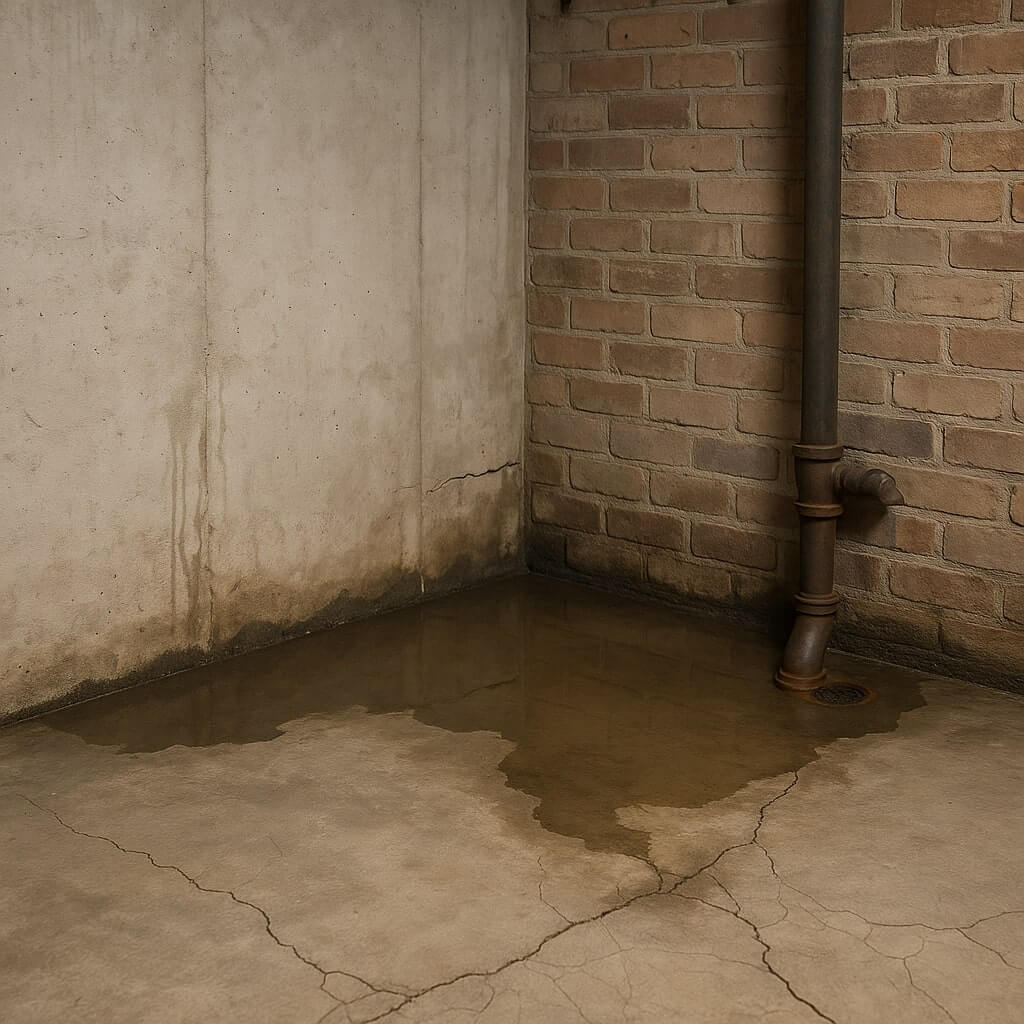
If you skip installing proper drainage systems, you greatly increase the chance of water infiltration in your basement.
Understanding the various drainage system types—like interior French drains and exterior drainage tiles—is vital. Each type requires specific installation techniques to guarantee effective water management.
Failing to implement a robust drainage system can lead to costly water damage and mold growth. You need to assess your property’s unique drainage needs and choose the appropriate system.
Neglecting a proper drainage system can result in expensive water damage and mold issues. Assess your property’s needs wisely.
Proper installation, including correct grading and outlet placement, is essential to divert water away from your foundation and maintain a dry, safe basement environment.
Using Inadequate Waterproofing Materials
Many homeowners underestimate the importance of selecting appropriate waterproofing materials for their basements. Inadequate material selection can lead to costly repairs down the line. It’s crucial to choose high-quality products that align with effective waterproofing techniques.
For instance, using a reliable membrane or sealant can greatly enhance moisture resistance. Additionally, consider the compatibility of materials with your foundation type and soil conditions.
Don’t settle for generic solutions; invest in products specifically designed for basement environments. By prioritizing quality in your waterproofing materials, you’ll guarantee long-lasting protection against water intrusion, safeguarding your home and its foundation investment.
Overlooking Window and Door Sealing
Selecting high-quality waterproofing materials is just one aspect of an effective basement waterproofing strategy; overlooking window and door sealing can undermine even the best efforts.
Proper window sealing prevents moisture from seeping through gaps, while thorough door sealing guarantees a tight barrier against water intrusion.
Inspect all windows and doors for any potential leaks or cracks, and apply high-performance sealants to enhance their waterproofing capabilities.
Regular maintenance is also essential, as wear and tear can compromise these seals over time.
Failing to Install a Sump Pump
While waterproofing techniques are vital for protecting your basement, failing to install a sump pump can leave your property vulnerable to water damage.
A sump pump installation is essential in areas prone to flooding or high water tables, as it actively removes accumulated water, preventing costly damage.
Additionally, proper sump pump maintenance guarantees your system operates efficiently when needed most. Regularly inspect the pump, clean the sump pit, and test the system to confirm it’s functioning correctly.
Ignoring Proper Ventilation
Proper ventilation in your basement is essential for maintaining ideal airflow, which directly impacts the overall health of the space.
Without sufficient air circulation, you risk creating an environment conducive to mold growth, undermining your waterproofing efforts.
Prioritizing ventilation not only protects your investment but also enhances indoor air quality.
Importance of Airflow
Although many homeowners focus solely on sealing walls and floors, neglecting proper ventilation can lead to significant issues in basement waterproofing.
Effective airflow management is essential; without it, moisture can accumulate, creating an environment ripe for problems.
Installing ventilation systems, such as exhaust fans or air exchange units, guarantees that stale air is expelled and fresh air circulates.
This process not only helps maintain ideal humidity levels but also supports structural integrity.
Mold Growth Prevention
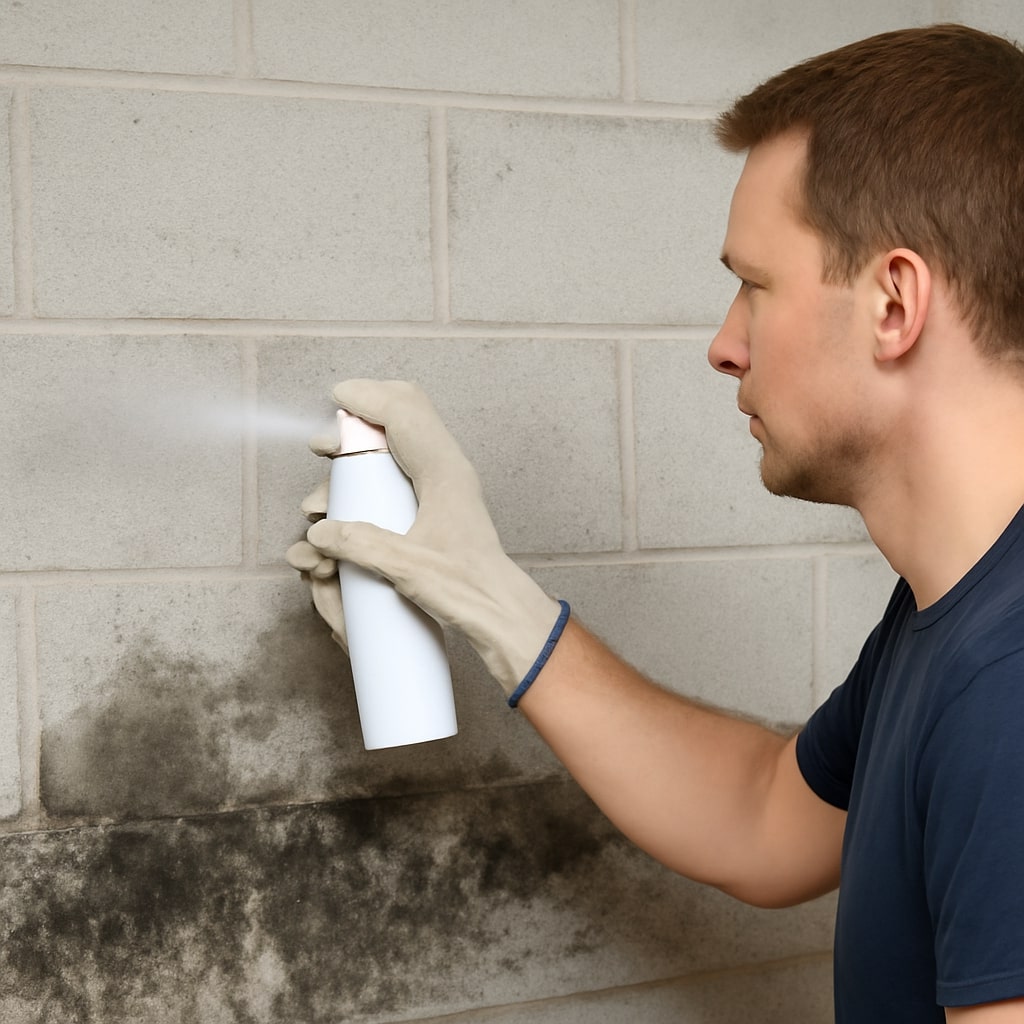
Ignoring proper ventilation greatly increases the risk of mold growth in your basement. To effectively implement mold prevention strategies, guarantee proper airflow and humidity control methods. Without adequate ventilation, trapped moisture can lead to an ideal environment for mold spores to thrive.
| Consequence | Impact on Health | Financial Implications |
|---|---|---|
| Mold Infestation | Allergies and asthma | Costly remediation |
| Structural Damage | Respiratory issues | Decreased property value |
| Unpleasant Odors | Chronic health concerns | Increased maintenance costs |
Addressing ventilation now can save you from expensive consequences later.
Not Considering Future Landscaping Changes
When planning your basement waterproofing, it’s essential to anticipate future landscaping changes that could impact drainage.
Evaluate the potential for soil erosion and how it might redirect water flow toward your foundation.
Additionally, consider any future structures you plan to build, as they can alter the landscape and affect moisture levels around your basement.
Anticipate Drainage Needs
As you plan your basement waterproofing, it’s essential to anticipate your drainage needs, especially in light of potential future landscaping changes.
Proper drainage calculations will guarantee effective water flow, preventing costly damage.
Consider these key factors:
- Slope Gradients: Guarantee your landscape slopes away from the foundation.
- Downspout Placement: Position downspouts to direct water away from your home.
- Landscaping Features: Account for any future installations like patios or gardens that might affect drainage.
- Soil Type: Understand how your soil absorbs water to adjust your drainage strategy accordingly.
Planning ahead will save you headaches later.
Evaluate Soil Erosion Potential
Evaluating soil erosion potential is essential for effective basement waterproofing, especially since unanticipated landscaping changes can exacerbate erosion risks. Understanding your soil composition helps in determining the appropriate erosion control methods.
| Soil Type | Erosion Risk Level | Control Methods | Notes |
|---|---|---|---|
| Sandy | High | Vegetation, Mulching | Quick runoff |
| Clay | Moderate | Terracing, Barriers | Slow drainage |
| Loamy | Low | Minimal intervention | Well-balanced |
| Silty | High | Retaining walls, Grading | Susceptible to runoff |
Plan for Future Structures
Neglecting to plan for future structures can lead to significant complications in basement waterproofing. Proper future planning guarantees your basement’s structural integrity remains intact.
Here are four considerations to keep in mind:
- Landscaping Changes: Anticipate potential alterations in grading or drainage.
- Additional Structures: Consider future patios, decks, or gardens that may affect water flow.
- Utility Installations: Plan for underground utilities that could disrupt waterproofing systems.
- Erosion Control: Implement measures to address soil erosion that may occur with new landscaping.
Conclusion
In conclusion, avoiding these common mistakes in new construction basement waterproofing is vital for guaranteeing your home’s longevity and safety. By properly grading the site, installing effective drainage systems, and using high-quality waterproofing materials, you can greatly reduce the risk of water intrusion. Don’t forget to seal windows and doors, install a sump pump, and provide adequate ventilation. Planning for future landscaping changes can also help maintain your basement’s integrity over time. Prioritize these steps to protect your investment.