When estimating a home addition, you need to take into account several critical factors that can greatly impact your project’s success. Zoning laws, site conditions, and material costs are just the beginning. Each element requires careful analysis to guarantee compliance and feasibility. Ignoring any one of these can lead to costly setbacks. Understanding how these factors interconnect can help you create a solid plan that meets both your vision and budget. What’s the first step you should take?
Key Takeaways
- Research local zoning laws to ensure compliance and avoid potential fines or project removal.
- Assess site conditions, including accessibility and soil stability, to facilitate a successful construction process.
- Gather multiple quotes for materials and analyze local labor costs to stay within budget.
- Prioritize design aesthetics and functionality to create a seamless transition between the existing structure and the addition.
- Consider sustainable and energy-efficient options to enhance home performance and reduce long-term costs.
Understanding Zoning Laws and Regulations
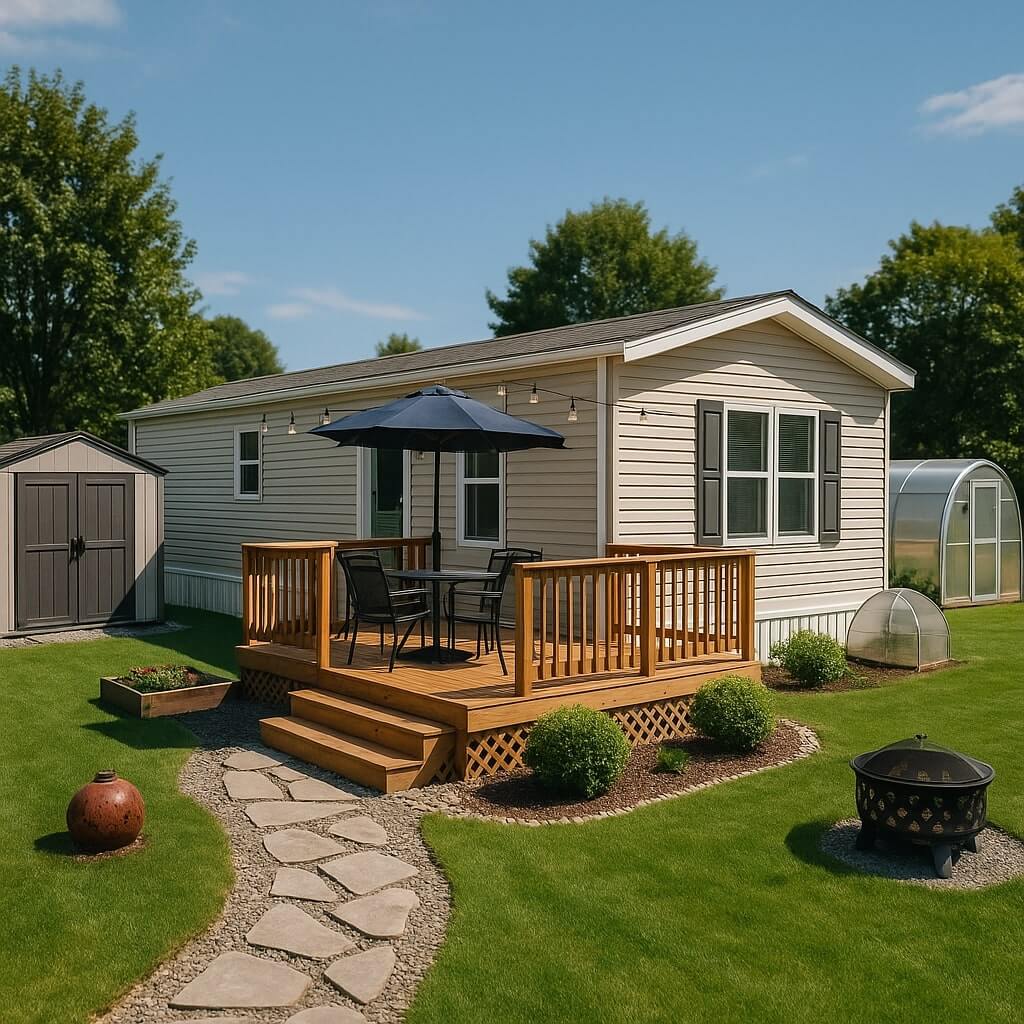
When you’re planning a home addition, understanding zoning laws and regulations is essential, as these rules dictate what you can and can’t do on your property.
Local zoning ordinances define land use, specifying permitted activities and structure dimensions. You might need to apply for zoning variances if your planned addition doesn’t comply with these regulations.
Local zoning ordinances dictate land use and structure dimensions; variances may be needed if your addition doesn’t comply.
Zoning variances provide exceptions, allowing you to deviate from standard requirements under certain conditions.
Research your municipality’s regulations thoroughly, as non-compliance can lead to fines or the removal of your project. Knowing these laws upfront can save you time, money, and stress in the long run.
Assessing Site Conditions and Limitations
Before you start planning your home addition, it’s essential to assess the site conditions and limitations of your property.
Check site accessibility to guarantee contractors can easily reach the area; narrow driveways or steep slopes may complicate the construction process.
Additionally, evaluate soil stability; unstable soil can lead to foundation issues and increased costs. Conduct soil tests to determine its composition and load-bearing capacity.
Understanding these factors will help you make informed decisions, avoid potential pitfalls, and streamline the construction process.
Calculating Material Costs and Labor Expenses
Having assessed your site conditions and limitations, the next step involves calculating material costs and labor expenses for your home addition.
Start with material sourcing; gather quotes from multiple suppliers to find competitive prices for essential materials like lumber, concrete, and finishes. Consider bulk purchasing options to reduce costs.
Next, analyze labor rates in your area, factoring in the expertise required for specific tasks. Don’t forget to include potential overtime or subcontracting costs.
Evaluating Design and Architectural Considerations
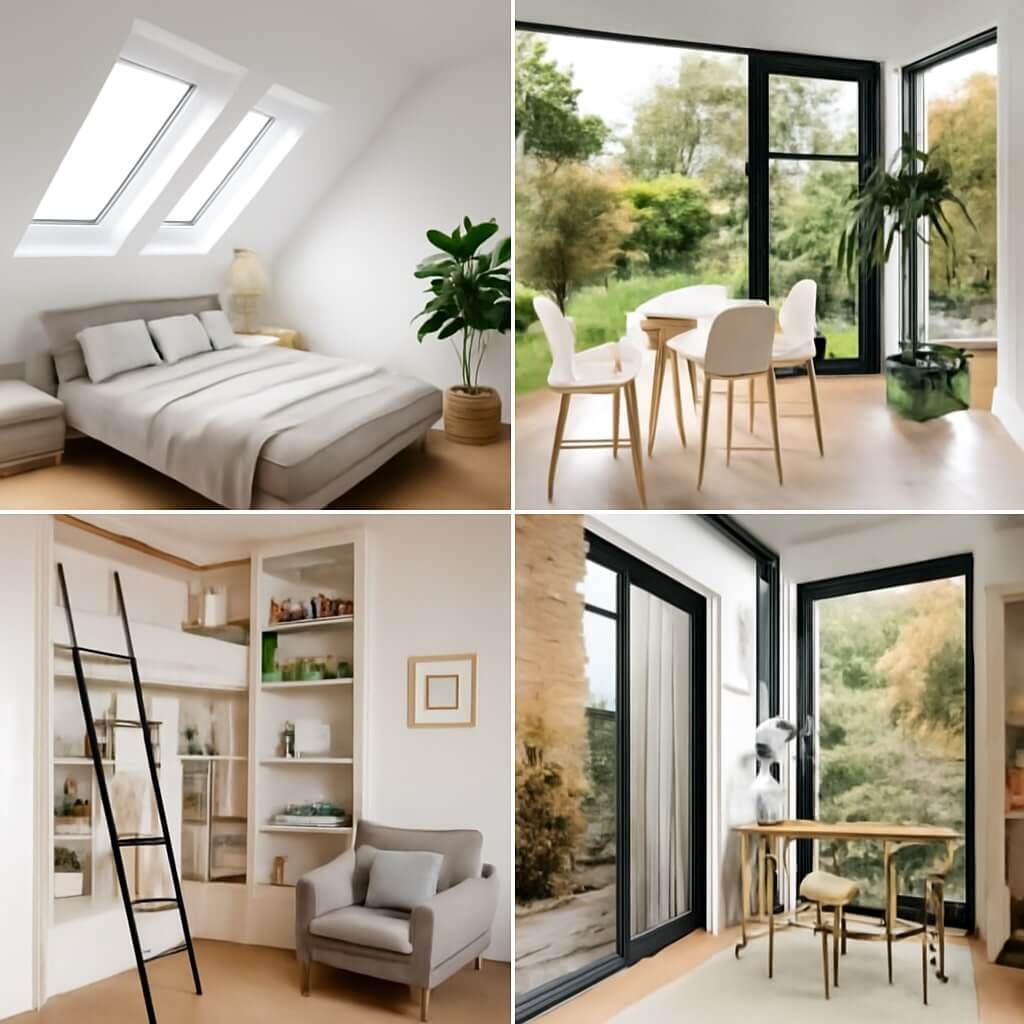
As you commence on the design phase of your home addition, it’s essential to evaluate both aesthetic and functional aspects that align with your existing structure.
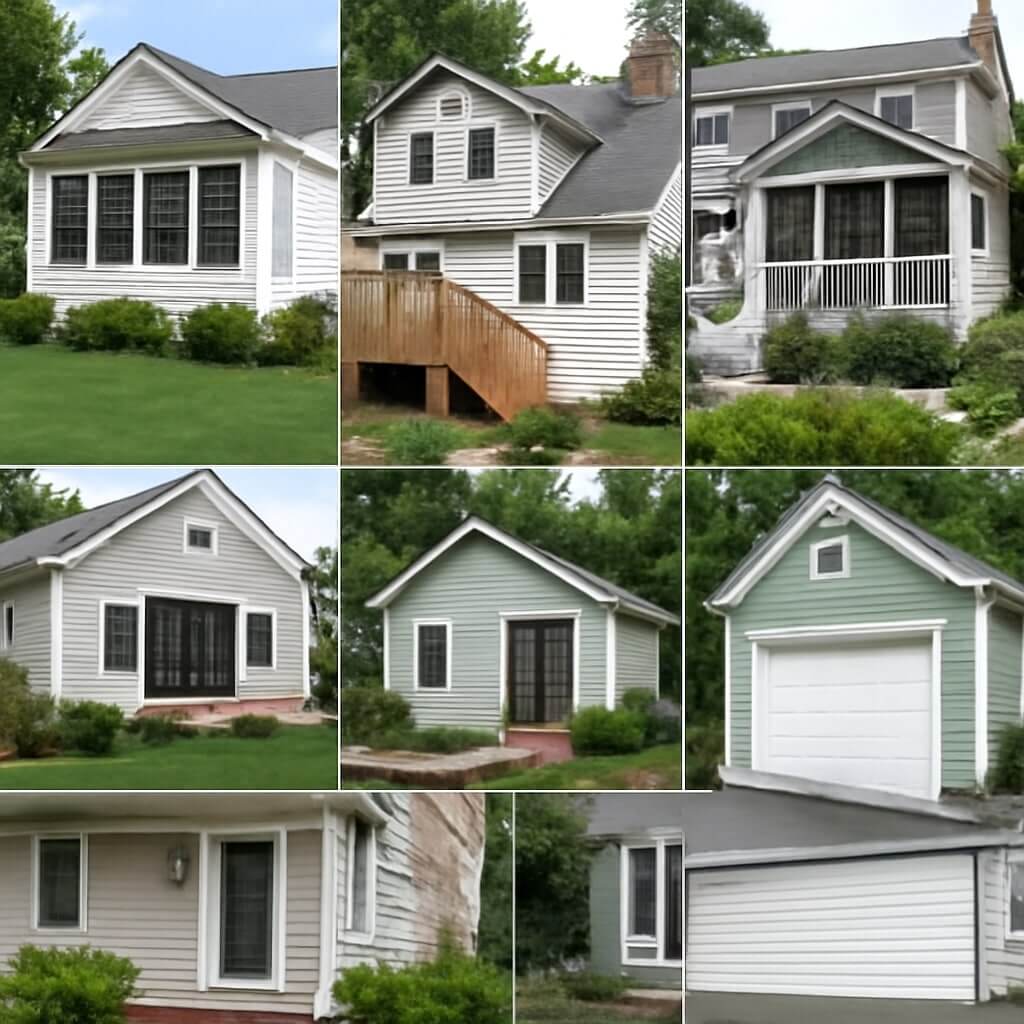
Consider how your design aesthetics match the architectural styles of your home to guarantee a cohesive look. Analyze the rooflines, window placements, and materials used in your current design. This will help maintain harmony, avoiding jarring contrasts.
Prioritize flow and functionality; the addition should enhance your living space without compromising usability. By focusing on these elements, you’ll create a seamless shift between the old and new, adding value and appeal to your property.
Incorporating Sustainable and Energy-Efficient Options
When planning your home addition, consider using energy-efficient materials that reduce long-term costs and environmental impact.
Incorporating renewable energy sources, like solar panels, can greatly enhance your home’s sustainability.
Additionally, adopting sustainable design practices guarantees that your addition aligns with eco-friendly principles, promoting a healthier living space.
Energy-Efficient Materials
Incorporating energy-efficient materials into your home addition not only reduces your environmental footprint but also offers long-term savings on utility bills.
By utilizing energy-saving technologies, such as double-pane windows and high-efficiency HVAC systems, you enhance your home’s overall performance.
Additionally, focus on insulation options like spray foam or cellulose, which greatly improve thermal resistance. These materials minimize heat loss in winter and reduce cooling costs in summer.
Investing in these sustainable choices guarantees your addition remains comfortable year-round while decreasing energy consumption.
Ultimately, selecting the right materials can lead to considerable financial and environmental benefits for you and your family.
Renewable Energy Sources
While planning your home addition, consider integrating renewable energy sources to greatly enhance its sustainability and efficiency. Options like solar panel installation and wind energy can considerably reduce your energy costs and environmental footprint.
| Renewable Source | Benefits | Considerations |
|---|---|---|
| Solar Panels | Lowers electricity bills | Initial installation cost |
| Wind Energy | Reduces reliance on grid | Space for turbines needed |
| Geothermal Energy | Provides consistent heating | Requires site assessment |
Incorporating these options will not only optimize your home’s energy use but also increase its long-term value.
Sustainable Design Practices
Integrating renewable energy sources sets a solid foundation for adopting sustainable design practices in your home addition.
Focus on green building techniques that maximize energy efficiency and minimize environmental impact. Utilize eco-friendly materials, such as recycled or locally sourced products, to reduce your carbon footprint.
Incorporate energy-efficient windows and insulation to enhance thermal performance, ensuring your addition remains comfortable year-round. Implementing passive solar design can also optimize natural light and reduce reliance on artificial lighting.
Planning for Permits and Inspections
Before you immerse yourself in your home addition project, you need to understand that planning for permits and inspections is vital.
Begin by researching local regulations to determine the necessary permit application requirements. Each jurisdiction has specific guidelines, and failing to comply can lead to costly delays.
Once you submit your application, familiarize yourself with the inspection process; it typically involves multiple stages to guarantee safety and code compliance.
Schedule inspections promptly and prepare for them by making sure all work is accessible and meets local codes. This proactive approach will streamline your project and help avoid unexpected hurdles.
Establishing a Realistic Timeline and Budget
After securing the necessary permits and understanding the inspection process, it’s time to establish a realistic timeline and budget for your home addition.
Effective timeline management and budget forecasting are essential for success. Consider these factors:
Effective timeline management and budget forecasting are crucial for the success of your home addition project.
- Project Scope: Clearly define what the addition entails to avoid unexpected delays and costs.
- Material Availability: Research lead times for materials, which can impact your schedule and budget.
- Labor Costs: Get multiple quotes to guarantee you’re accounting for all potential expenses.
Conclusion
To sum up, addressing these seven key factors will help you navigate the complexities of home additions effectively. By understanding zoning laws, evaluating site conditions, and calculating costs, you can create a detailed plan that meets your needs. Incorporating design considerations and sustainable options enhances your project’s value while ensuring compliance with necessary permits. With careful planning and a focus on these elements, you’ll set yourself up for a successful and stress-free home addition experience.