When tackling exterior basement waterproofing, you need to be aware of common mistakes that can undermine your efforts. Neglecting proper site drainage and ignoring foundation cracks can lead to serious issues down the line. Choosing the wrong materials or skipping essential installations, like sump pumps, can further complicate matters. Understanding these pitfalls is vital for a successful project. So, what specific strategies can you implement to guarantee your waterproofing is effective?
Key Takeaways
- Neglecting site drainage and gutter maintenance can lead to water accumulation and increased hydrostatic pressure around the foundation.
- Failing to address foundation cracks promptly allows moisture to penetrate, undermining waterproofing efforts and risking structural integrity.
- Using low-quality waterproofing materials can result in premature failure and inadequate protection against water intrusion.
- Overlooking local building codes and necessary permits can lead to fines and negatively impact property resale value.
- Skipping regular maintenance and inspections can allow minor issues to escalate into significant water damage problems.
Neglecting Proper Site Drainage
When you overlook proper site drainage, you’re setting the stage for basement water issues. A thorough site evaluation is essential to identify existing drainage patterns and potential problems.
Without this assessment, water can accumulate around your foundation, leading to increased hydrostatic pressure. Implementing effective drainage solutions, such as French drains or proper grading, can redirect water away from your home.
Installing gutters and downspouts also helps manage roof runoff. By addressing site drainage proactively, you can greatly reduce the risk of moisture intrusion and safeguard your basement from costly damage.
Prioritize this step in your waterproofing strategy for ideal results.
Overlooking Foundation Cracks
Ignoring foundation cracks can lead to significant issues in your basement waterproofing efforts. A thorough foundation inspection is essential to identifying these vulnerabilities.
Ignoring foundation cracks compromises your basement waterproofing; a thorough inspection is vital to uncover these weaknesses.
Even minor cracks can allow moisture ingress, undermining your waterproofing system. Don’t wait until it’s too late; address these cracks promptly.
Effective crack repair not only prevents water damage but also strengthens the overall integrity of your foundation. Use appropriate sealants or consult professionals for larger issues.
Remember, overlooking foundation cracks can transform a minor problem into a major expense, jeopardizing your home’s safety and value.
Prioritize crack assessment to guarantee a successful waterproofing solution.
Skipping the Sump Pump Installation
Installing a sump pump is essential for preventing water accumulation in your basement.
Without proper installation techniques, even the best sump pump can fail, leading to costly water damage.
Understanding the importance of this system guarantees you keep your basement dry and protected.
Importance of Sump Pumps
While many homeowners might underestimate the essential role of sump pumps in basement waterproofing, skipping their installation can lead to significant water damage and costly repairs.
Sump pumps actively remove excess water, preventing flooding and mold growth. Understanding sump pump types—like pedestal and submersible—helps you choose the right one for your needs.
Regular sump pump maintenance, including checking the float switch and cleaning the pump, is critical to guarantee reliable operation. Neglecting these aspects can lead to pump failure during heavy rainfall, causing serious issues in your basement.
Don’t overlook the importance of this fundamental component in your waterproofing strategy.
Proper Installation Techniques
When you skip proper sump pump installation techniques, you risk compromising your entire basement waterproofing system.
It’s essential to use high-quality installation materials that can withstand moisture and pressure. Verify your sump pump is positioned at the lowest point of your basement for ideal water collection.
Connect it to reliable drainage systems that efficiently direct water away from your foundation. Sealing all joints and connections prevents leaks and enhances performance.
Regularly check the sump pump’s functionality and maintain it to avoid future issues. Following these guidelines guarantees effective water management and protects your basement from potential flooding.
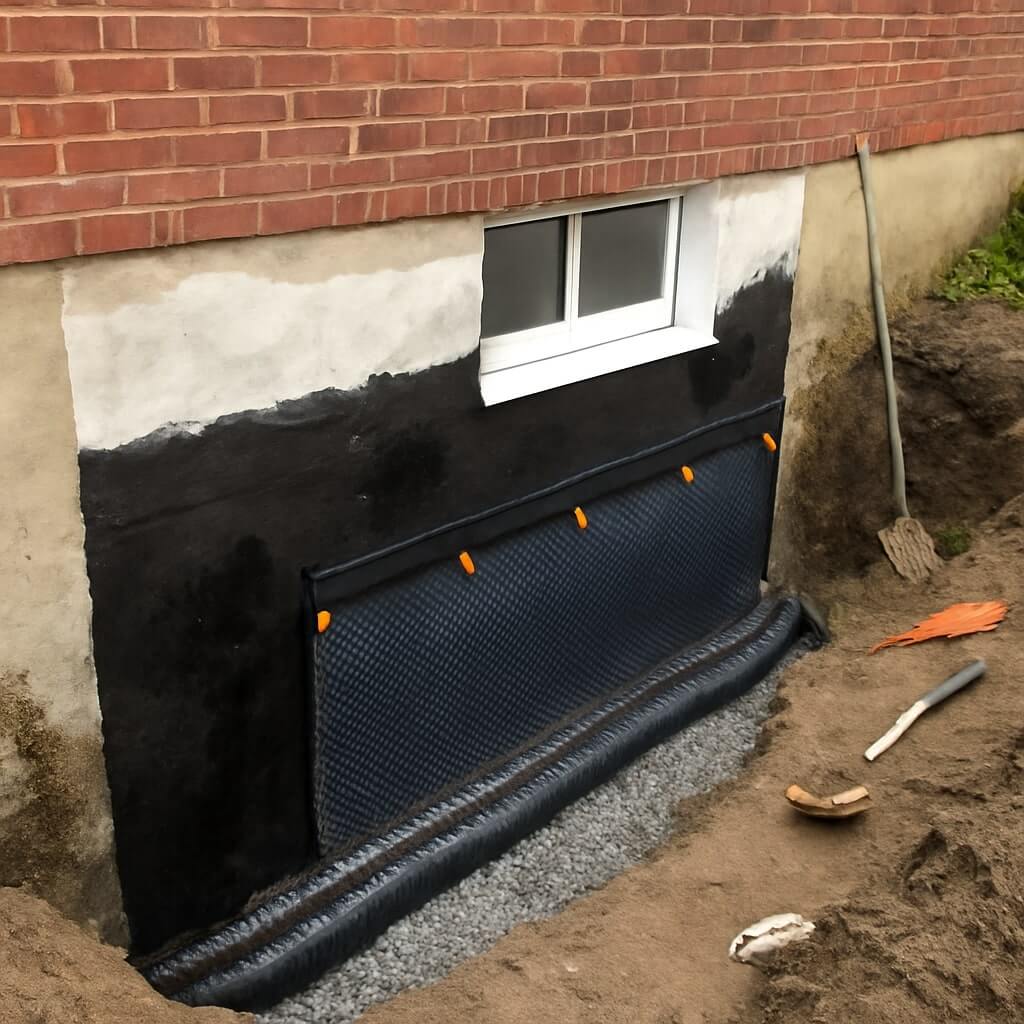
Using Inadequate Waterproofing Membranes
Choosing the right waterproofing membrane is crucial for effective basement protection, as inadequate materials can lead to costly water damage and structural issues.
Many homeowners overlook membrane types, opting for cheaper options without understanding their limitations. Installation errors can further compound these issues, resulting in leaks and moisture buildup.
Consider these critical factors:
- Durability against hydrostatic pressure
- Compatibility with soil conditions
- Resistance to mold and mildew
- Proper thickness for your specific needs
- Manufacturer warranty and installation guidelines
Investing in quality membranes guarantees long-lasting protection, preventing future complications and maintaining your basement’s integrity.
Ignoring Gutter Maintenance
Neglecting gutter maintenance can greatly compromise your basement’s waterproofing efforts. Clogged gutters prevent proper water flow, causing overflow that can saturate your foundation.
Regular gutter cleaning is essential to guarantee debris doesn’t accumulate and obstruct drainage. Additionally, install downspout extensions to direct water away from your home’s foundation. This simple measure reduces the risk of water pooling near your basement walls, markedly enhancing your waterproofing system.
Underestimating Soil Grading
Gutter maintenance is just the first step in protecting your basement from water intrusion; proper soil grading plays a significant role as well.
If you underestimate soil grading, you risk serious issues with water accumulation and soil erosion.
- Make certain the ground slopes away from your foundation.
- Regularly assess drainage patterns around your home.
- Use soil types that promote proper drainage.
- Install retaining walls where necessary.
- Monitor for signs of erosion after heavy rains.
Failing to Seal Window Wells
Sealing window wells is essential for preventing water intrusion in your basement.
Without proper sealing, moisture can accumulate, leading to mold growth and structural damage.
Common sealing techniques include using waterproof membranes or sealants that effectively block water entry.
Importance of Proper Sealing
When it comes to basement waterproofing, failing to properly seal window wells can lead to significant moisture problems.
Without effective sealing, you risk:
- Increased humidity levels in the basement
- Water pooling around window frames
- Mold and mildew growth
- Structural damage from prolonged moisture exposure
- Reduced energy efficiency due to cold drafts
Using the right sealant types and employing effective sealing techniques are essential to prevent these issues.
Investing time in proper sealing guarantees your basement remains dry and livable, safeguarding your home’s integrity and value for years to come.
Don’t overlook this important step in waterproofing!
Common Sealing Techniques
Effective sealing techniques play a pivotal role in preventing moisture intrusion in window wells. To guarantee robust protection, you should select appropriate sealing materials, such as waterproofing membranes, sealants, and gravel drainage.
Begin by cleaning the window wells and removing any debris. Apply a high-quality sealant around the edges where the well meets the foundation, ensuring a tight seal. Additionally, consider installing a drainage system to redirect water away from the well.
Regularly inspect and maintain your sealing techniques to address any wear or damage, as neglect can lead to significant moisture problems in your basement.
Choosing the Wrong Backfill Material
Choosing the right backfill material is vital for effective basement waterproofing, as improper choices can lead to significant drainage issues.
Understanding various backfill types and their material durability is important to guarantee long-term effectiveness.
- Pea gravel for excellent drainage
- Crushed stone for stability and support
- Sand for easy compaction
- Clean fill dirt to prevent contamination
- Retaining wall backfill for enhanced moisture management
Selecting appropriate materials not only improves water flow but also minimizes the risk of settling and structural damage.
Avoiding these mistakes can save you time, money, and stress in the future.
Disregarding Local Building Codes
Ignoring local building codes can lead to serious consequences for your basement waterproofing project.
Local regulations exist for a reason—they guarantee safety and structural integrity. Failing to obtain the necessary building permits can result in costly fines and delays.
Furthermore, not adhering to these codes can jeopardize your property’s resale value. You’ll also risk potential legal issues if problems arise later.
Always check your municipality’s requirements before starting work, as they can vary greatly.
Not Hiring Professional Help When Needed
When you attempt basement waterproofing on your own, you might overlook critical factors that only experienced professionals can identify.
Skipping professional help may lead to costly mistakes.
Consider the benefits of expert assessment and professional consultation:
- Accurate identification of water entry points
- Assessment of soil drainage and grading
- Selection of appropriate waterproofing materials
- Implementation of effective drainage systems
- Long-term solutions to prevent future issues
Conclusion
To guarantee effective exterior basement waterproofing, avoid these common pitfalls. Prioritize proper site drainage, address foundation cracks promptly, and don’t skip essential installations like sump pumps. Choose high-quality waterproofing membranes and maintain gutters regularly. Seal window wells and select appropriate backfill material while adhering to local building codes. Finally, recognize when to seek professional assistance to prevent costly mistakes. By being proactive, you can protect your home from water damage and maintain its structural integrity.