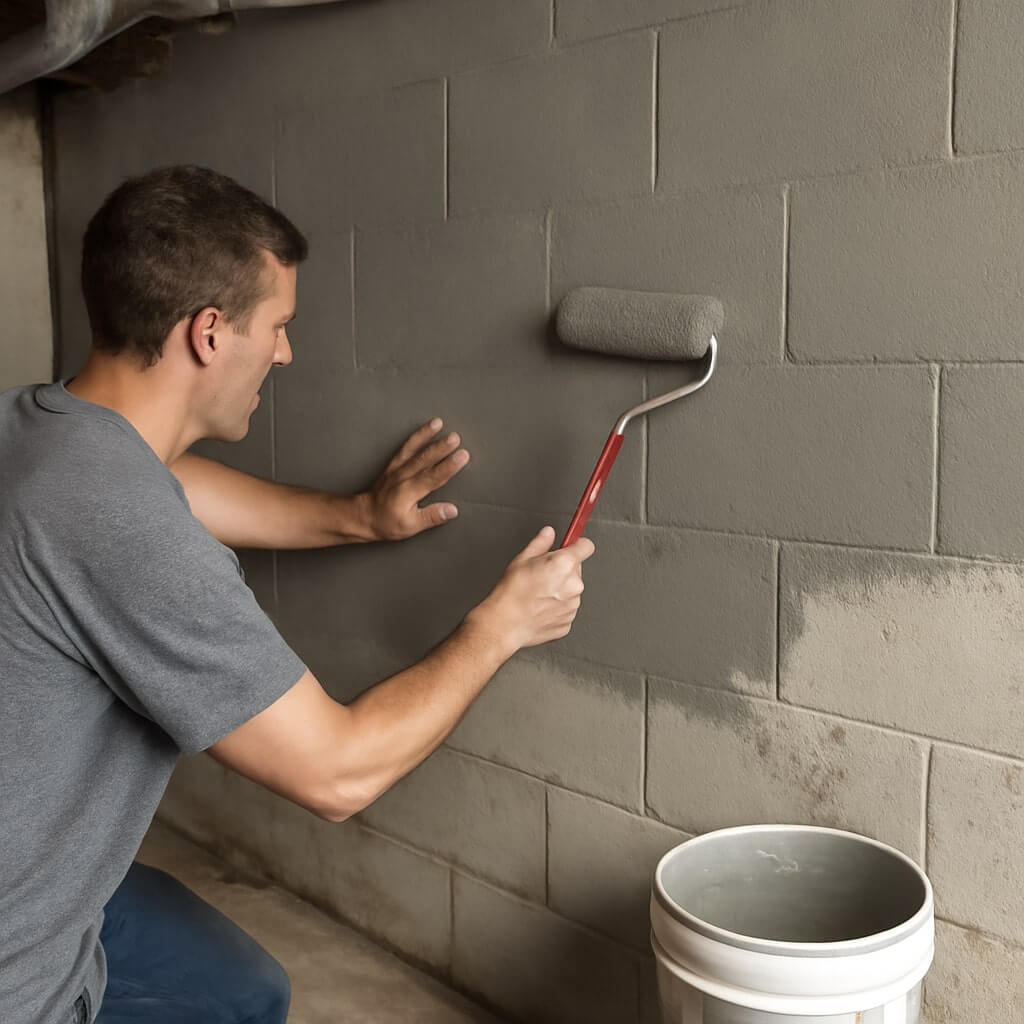
When considering basement waterproofing, various factors influence the overall costs you’ll face. The type of waterproofing system you choose, whether interior or exterior, plays a significant role. Additionally, the size and layout of your basement, along with the extent of any existing water damage, can all affect your budget. Soil conditions and local labor costs add further complexity. Understanding these elements can help you make informed decisions as you navigate this essential process.
Key Takeaways
- The choice between interior and exterior waterproofing systems significantly impacts installation costs and long-term maintenance requirements.
- Larger basements and complex layouts require more materials and labor, increasing overall project expenses.
- The extent of water damage and soil conditions influence necessary remediation steps and impact overall costs.
- Local labor costs vary by region, affecting the overall budget due to wage differences and skilled labor availability.
- Regular inspections and maintenance are essential to ensure system functionality and prevent costly repairs in the future.
Type of Waterproofing System
When considering basement waterproofing, understanding the different types of waterproofing systems is essential for making an informed decision.
You’ll typically encounter two main categories: interior systems and exterior systems. Interior systems often involve drain tiles and sump pumps, effectively managing water that seeps in.
Interior waterproofing systems utilize drain tiles and sump pumps to effectively manage water intrusion in your basement.
On the other hand, exterior systems focus on preventing water intrusion by applying waterproof membranes and drainage techniques outside the foundation.
Each option has its pros and cons, impacting installation costs and maintenance. Evaluating your specific needs and the existing conditions of your basement will help you choose the most effective waterproofing solution for your home.
Size and Layout of the Basement
Understanding the size and layout of your basement is essential, as these factors greatly influence the overall cost of waterproofing.
Larger basement dimensions typically require more materials and labor, increasing expenses. Additionally, how efficiently your layout accommodates drainage systems can affect the complexity of the job.
Consider these points:
- Basement dimensions: Larger spaces may need specialized waterproofing solutions.
- Layout efficiency: A well-organized layout can minimize labor costs and time.
- Access points: The number and size of access points can impact installation difficulty.
Extent of Water Damage
When evaluating water damage in your basement, consider both the severity of the damage and the type of water intrusion.
Severe damage can lead to structural issues and health risks, while the source—whether it’s clean, gray, or black water—affects the necessary remediation steps.
Understanding these factors will help you determine the appropriate waterproofing solutions and associated costs.
Severity of Damage
Even if you think your basement has minor water issues, the severity of damage can escalate quickly if left unaddressed. A thorough damage assessment is essential to identify the extent of the problem.
Here are key points to take into account:
- Structural Integrity: Water can weaken foundations, leading to costly repairs.
- Mold Growth: Damp conditions promote mold, posing health risks and requiring specialized repair techniques.
- Property Value: Unresolved issues can decrease your home’s market value.
Acting promptly can save you time and money.
Don’t underestimate the potential for damage; address water issues before they worsen.
Type of Water Intrusion
Water intrusion can manifest in various ways, each type presenting its own challenges and potential for damage.
Surface water typically results from heavy rainfall or poor drainage, leading to pooling around your foundation. If not addressed, it can seep through cracks, causing significant structural issues.
On the other hand, groundwater seepage occurs when underground water rises, often due to high water tables. This type of intrusion can lead to persistent moisture problems and mold growth.
Understanding these distinctions is essential for you to determine the necessary waterproofing measures, as each type affects the overall cost and extent of damage repair.
Soil Conditions and Drainage
Proper assessment of soil conditions and drainage is essential for effective basement waterproofing.
When you understand the soil composition around your home, you can better address potential water issues.
Here are key factors to reflect on:
- Soil Type: Clay retains water, while sandy soil drains quickly.
- Drainage Systems: Installing proper drainage systems can redirect water away from your foundation.
- Slope: The land’s slope affects water runoff; confirm it’s graded to prevent pooling near your basement.
Local Labor Costs
Local labor costs can vary greatly based on regional wage differences, so it’s important to take into account where you live.
The availability of skilled labor also plays a vital role in determining overall expenses, as more qualified contractors may charge higher rates.
Additionally, the complexity of your waterproofing project can further influence labor costs, so understanding these factors will help you budget effectively.
Regional Wage Differences
While considering basement waterproofing, it’s vital to recognize that regional wage differences can greatly affect your overall costs.
These wage disparities can lead to significant variations in project pricing across different areas. Understanding how local labor costs impact your budget is important.
- Higher wages in urban areas typically increase overall project costs.
- Conversely, rural regions may offer lower rates, reducing your expenses.
- Consider the trade-offs between cost and quality when hiring contractors.
Being aware of these regional costs will help you make informed decisions and choose the right professionals for your basement waterproofing needs.
Skilled Labor Availability
Understanding skilled labor availability in your area is essential for budgeting your basement waterproofing project effectively.
Skilled labor shortages can greatly impact local labor costs, driving them higher due to increased demand. If you’re in a region facing these shortages, you might encounter longer wait times for skilled professionals.
On the flip side, areas with robust training programs tend to have a more accessible workforce, potentially lowering costs. Research local training initiatives that aim to bolster the labor pool, as these can lead to more competitive pricing and timely project completion.
Invest time into understanding your market for better financial planning.
Project Complexity Impact
The complexity of your basement waterproofing project directly influences local labor costs. As the project scope expands, the techniques required for installation can vary greatly, impacting labor pricing.
Here are some key factors to reflect upon:
- Project Scope: Larger or more intricate projects require more skilled labor and time.
- Installation Techniques: Advanced methods, like interior drainage systems or exterior excavation, necessitate specialized expertise.
- Local Market Demand: Higher demand for specific skills can increase labor costs in your area.
Understanding these elements can help you budget effectively and choose the right professionals for your waterproofing needs.
Permits and Regulations
Before you begin your basement waterproofing project, it’s important to check local permits and regulations that may apply.
Understanding permit requirements can save you time and money, preventing potential fines or project delays. Each municipality has its own rules regarding waterproofing work, so you’ll need to guarantee regulatory compliance.
This might involve obtaining specific permits before starting your project or adhering to particular building codes. Failing to meet these regulations can result in costly rework or legal issues, so it’s wise to consult local authorities or a professional to navigate this significant aspect of your waterproofing endeavor effectively.
Additional Features and Maintenance
While waterproofing your basement is essential, incorporating additional features and planning for ongoing maintenance can greatly enhance its effectiveness.
Incorporating extra features and maintenance planning can significantly boost your basement waterproofing effectiveness.
Consider these key elements:
- Drainage solutions: Install exterior drainage systems to redirect water away from your foundation.
- Sump installation: A sump pump can efficiently remove accumulated water, preventing flooding and moisture buildup.
- Regular inspections: Schedule routine checks to guarantee all systems function properly and address any potential issues early.
Conclusion
In conclusion, understanding the various elements that influence basement waterproofing costs can help you make informed decisions. By considering the type of waterproofing system, your basement’s size, and the extent of any damage, you can better estimate expenses. Don’t forget to factor in local labor costs and soil conditions, as these can greatly impact your project. Regular maintenance and awareness of permits will guarantee the effectiveness of your waterproofing solution for years to come.